Music Festival Site Pre Safety Checks Before the Formal Site Inspection.
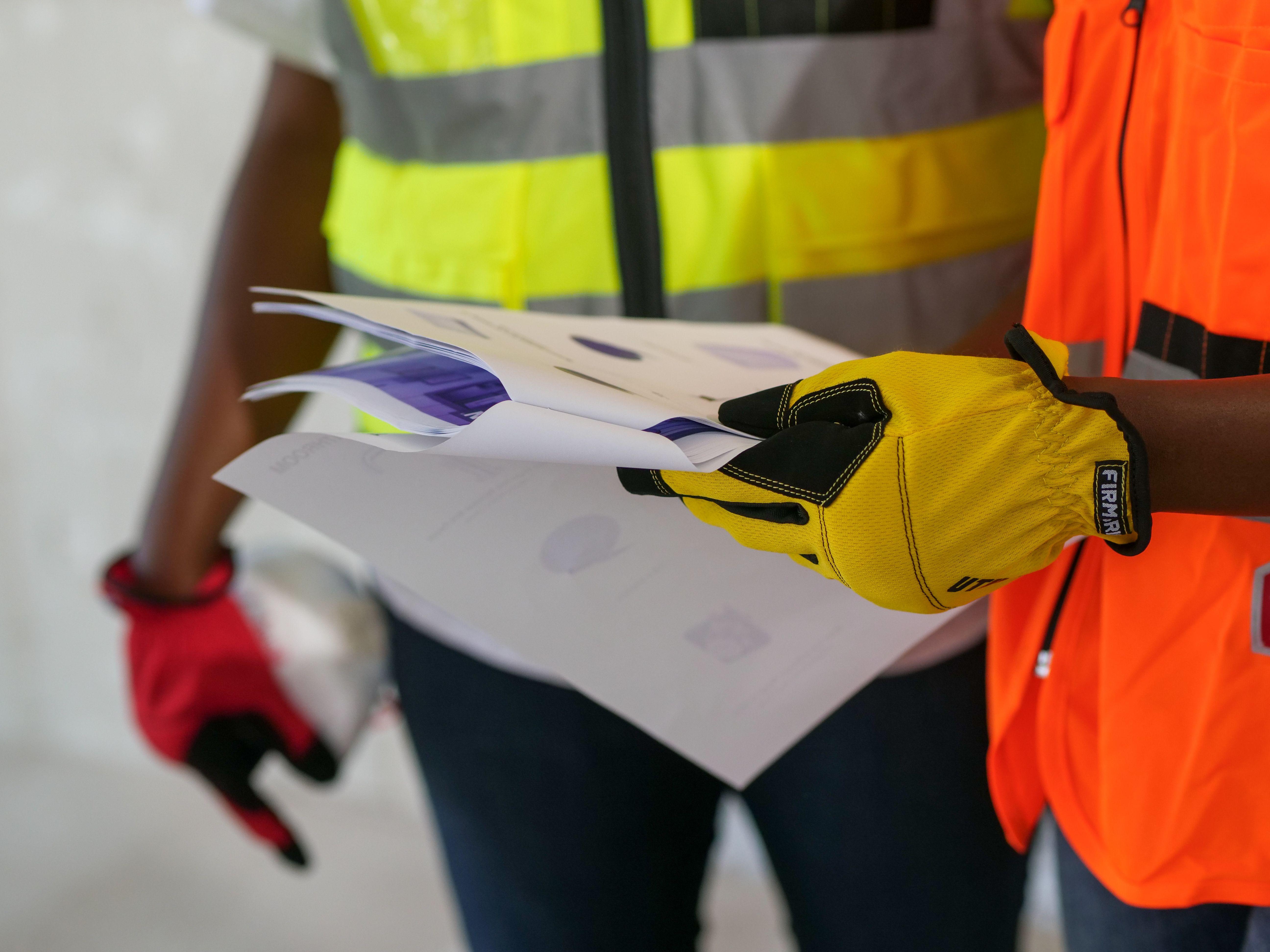
Health and safety and fire safety compliance require serious consideration by music festival organisers. Formal inspections will take place prior to opening and any issues identified and not quickly resolved can result in delayed opening. How can organisers conduct festival site checks before any formal inspections take palace to minimise potential issues.
The preliminary festival site checks are essential to identify any potential issues and resolve them quickly to prevent them coming to light during a formal safety inspection. The formal site inspections should be a formality that results in permission to proceed with the event without delays to opening. How can festival organisers create processes to conduct efficient pre-inspection checks in a timely manner.
Health and Safety and Fire Safety Compliance.
Regulations exist in most jurisdictions and are there to keep everyone on a festival site safe by preventing hazards that can cause accidents and injuries. Festival organisers have an obligation to incorporate compliance into every stage of the event life cycle from planning through to construction, live operations and post event tear down. Key elements covered by health and safety regulations can include risk assessments, physical site safety, crowd management, temporary structures, electrical installations, medical provision and sanitation, for example. In addition to health and safety every festival site must comply with any fire safety requirements which typically include risk assessments, appropriate fire extinguisher deployment, adequate emergency exists and fire vehicle access along with controls for smoking, gas cooking and generator fuel storage, for example. Festival organisers will be obliged to maintain documentation about their risk assessments and plans for any emergency processes and procedures.
Planning and Risk Assessment.
Early in the festival planning phase organisers must conduct comprehensive risk assessments which should be fully documented. These assessments help identify potential hazards and introduce appropriate control measures to ensure that everyone involved understands their responsibilities. During the planning phase organisers must assign responsibilities to individuals for every aspect of the festival site that has a safety implication so that any emergency arrangements can be implemented under pressure in a live environment. Formal site inspections often take place no more that 8 hours before opening so it is essential that planning includes sufficient times for pre inspection checks which can usually commence 2 days in advance allowing for issues to be identified and rectified which may include contractors carrying out corrective works. Initial checks may be made by individual departments heads with additional site checks made by designated safety teams and senior operations staff typically between 36 and 12 hours before the formal inspection.
Pre-Inspection Checks.
The comprehensive pre inspection checks should include every aspect of a festival site with a focus on any work carried out by contractors. Temporary structures, perimeter fencing and the installation of lighting rigs and electrical equipment must comply with approved designs and specifications. Contractors will be obliged to have evidence of their own safety and quality check processes along with relevant certifications and documentation. The checks can also focus on an unfinished contractor work where materials and rubbish are blocking access routes and pathways. Power generators and electrical installations must be positioned correctly and secured along with the warning signage required by regulations. Fire safety compliance is often overlooked and it's essential that the placement of fire extinguishers is done correctly along with having the appropriate type of extinguishing device where different types of fire (electrical, chemical, regular) need specific solutions. Although the physical site layout should be planned to prevent crowd build ups and chokepoints, formal inspections may also include an assessment of other measures like staff training, escalation procedures and CCTV monitoring, for example. Depending on the jurisdiction there could be varying requirements for on-site medical facilities, this can include first aid stations, medical tents and an ambulance presence.
Documentation.
A formal inspection is not always confined to a physical site inspection but may extend to the necessary documentation needed for health and safety compliance. This can include the risk assessments, temporary structure design specifications with safety inspection records, electrical inspection and test records, emergency evacuation plans, insurance policies and staff safety training records, for example. The documentation is checked by inspectors for completeness and relevance to the actual site installations along with outstanding issues and how they were or will be rectified.
Common Issues Before Formal Site Inspections.
Although the pre-checks should identify any issues which can then be rectified it is not usual for further checks to be missed leaving an issue unresolved. If organisers believe their site is ready without a comprehensive final check it can result in inspectors being summoned too early making the inspection inefficient. Coordinating contractors and department heads to ensure all issues are resolved is an essential part of the final checks before calling in the formal inspection teams.
For festival organisers planning their next event using a software management platform like Festival Pro gives them all the functionality they need manage every aspect of their event logistics. The guys who are responsible for this software have been in the front line of event management for many years and the features are built from that experience and are performance artists themselves. The Festival Pro platform is easy to use and has comprehensive features with specific modules for managing artists, contractors, venues/stages, vendors, volunteers, sponsors, guestlists, ticketing, site planning, cashless payments and contactless ordering.
Image by Kindel Media via Pexels
<< Back to articles
Contact us
Get in touch to discuss your requirements.
US: +1 424 485 0220 (USA)
UK: +44 207 060 2666 (United Kingdom)
AU: +61 (2) 8357 0793 (Australia)
NZ: +64 (0)9887 8005 (New Zealand)